
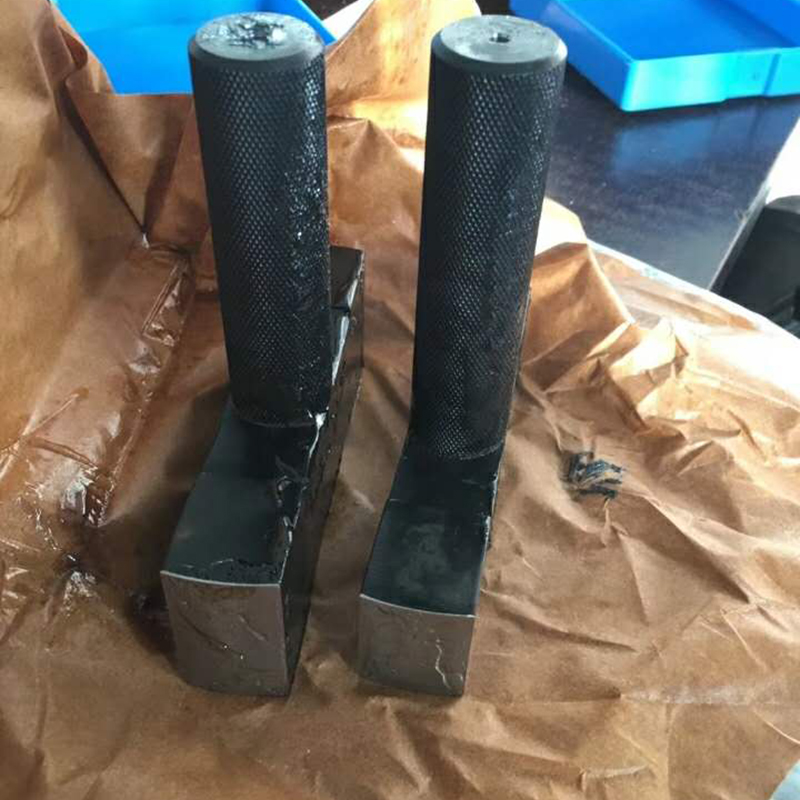
mirror with back light
Understanding SS Saddle Clamps Their Importance and Applications SS saddle clamps, or stainless steel saddle clamps, are essential components in various engineering and construction applications. Their unique design and material properties make them indispensable for securing pipes, hoses, and cables in place. As we delve into the characteristics, advantages, and applications of SS saddle clamps, it becomes clear why they are a preferred choice in many industries. What are SS Saddle Clamps? Saddle clamps are fastening devices that hold pipes securely to a surface. Made predominantly from stainless steel (SS), these clamps offer excellent corrosion resistance, high strength, and a long lifespan. The design typically includes a curved section that cradles the pipe, along with bolts or screws that tighten the clamp, ensuring a firm hold. This simplicity yet effectiveness makes them a staple in plumbing, electrical, and mechanical industries. Advantages of Stainless Steel Material The choice of stainless steel for saddle clamps provides several significant benefits 1. Corrosion Resistance One of the primary advantages of stainless steel is its resistance to rust and corrosion. This property is particularly important in outdoor settings or humid environments where traditional metal clamps would degrade over time. 2. Strength and Durability Stainless steel offers superior strength compared to other materials like plastic or mild steel. This durability ensures that the clamps maintain their structural integrity under various conditions, including extreme temperatures and heavy loads. 3. Aesthetic Appeal Stainless steel has a sleek, modern look that is often preferable in exposed applications. Its reflective surface not only enhances appearance but also contributes to its resistance to tarnishing. 4. Hygienic Properties In industries such as food processing and pharmaceuticals, stainless steel is favored due to its hygienic properties. It does not harbor bacteria or other contaminants, making it suitable for cleanroom applications. ss saddle clamps Applications of SS Saddle Clamps The versatility of SS saddle clamps is reflected in their broad range of applications 1. Plumbing and Waterworks In plumbing systems, saddle clamps are used to secure pipes carrying water, gas, or sewage. Their robustness ensures that pipes remain aligned and minimizes the risk of leaks. 2. Electrical Installations For electrical wiring and conduit systems, SS saddle clamps provide a reliable means of securing cables and conduits, preventing damage due to tension or movement. 3. Automotive and Transportation In the automotive industry, these clamps are employed to fasten exhaust systems and various components, contributing to both noise reduction and exhaust management. 4. Marine Applications Given their resistance to saltwater corrosion, SS saddle clamps are extensively used in marine environments for securing various equipment on boats and ships. 5. Construction In construction projects, these clamps are used to secure structural elements, mechanical systems, and even in the installation of solar panels, where robust and reliable fastening is essential. Conclusion SS saddle clamps play a critical role in ensuring the safety and efficiency of numerous systems across various industries. Their strength, durability, and resistance to corrosion make them an ideal choice for securing pipes, cables, and other essential components. As industries continue to evolve, the demand for reliable fastening solutions like stainless steel saddle clamps will remain substantial, underscoring the significance of these seemingly simple yet vital tools. Whether in plumbing, electrical work, or heavy machinery, understanding and utilizing SS saddle clamps is crucial for effective and reliable system performance.
about
mirror with back light
Understanding Level Suppliers in Supply Chain Management In the world of supply chain management, the term level supplier refers to the classification of suppliers based on their strategic importance, capabilities, and the role they play in the supply chain ecosystem. This concept is crucial for businesses looking to optimize their sourcing strategies and build resilient supplier relationships. Level suppliers can generally be categorized into three tiers tier 1, tier 2, and tier 3 suppliers. Tier 1 suppliers are the primary providers that deal directly with the manufacturer, supplying critical components or services that directly impact production. Their reliability, quality, and innovation capabilities significantly influence the success of the end product. On the other hand, tier 2 suppliers support tier 1 suppliers with secondary components or raw materials. Finally, tier 3 suppliers produce basic raw materials or commodities that are essential but may not be directly involved in the final product delivery. The classification of suppliers into these levels plays an essential role in risk management and procurement strategies. By identifying tier 1 suppliers, companies can prioritize relationships and establish tighter collaboration, leading to enhanced product quality, improved delivery timelines, and shared innovation efforts. For example, in the automotive industry, a tier 1 supplier might be responsible for the assembly of complex systems, while tier 2 suppliers would provide specific parts, such as electronic components or mechanical assemblies. level supplier Moreover, understanding the level of suppliers allows companies to manage risks effectively. With tier 1 suppliers representing a more significant operational risk, businesses must conduct thorough assessments to ensure these suppliers have robust processes to handle market fluctuations, supply disruptions, and regulatory compliance. Extended due diligence not only helps mitigate risks but also strengthens the overall supply chain resilience. In today’s fast-paced market, where disruptions such as natural disasters, geopolitical tensions, and pandemics can affect supply chains, managing level suppliers strategically has become increasingly vital. Organizations are adopting more proactive approaches by diversifying their supplier base and establishing contingency plans . These strategies enable businesses to reduce dependency on a limited number of suppliers, thereby minimizing vulnerability in times of crisis. Technological advancements, such as blockchain, artificial intelligence, and big data analytics, have further transformed the way companies interact with level suppliers. These technologies provide enhanced visibility throughout the supply chain, leading to better decision-making and more effective supplier management practices. For instance, predictive analytics can help organizations foresee potential disruptions and proactively engage with their suppliers to devise alternative strategies. In conclusion, understanding level suppliers is fundamental for businesses aiming to enhance their supply chain efficiency and robustness. By classifying suppliers into tiers and nurturing relationships with tier 1 suppliers, companies can drive innovation, manage risks better, and ensure a steady flow of quality materials needed for production. As global markets continue to evolve, the strategic management of level suppliers will be a critical component for future success in supply chain operations.
-

High quality industrial productsagement

High quality industrial products
View Details -

Meet the diverse needs of customers

Meet the diverse needs of customers
View Details -

Strict quality control

Strict quality control
View Details -

Top raw materials

Top raw materials
View Details -

Trusted supplier

Trusted supplier
View Details
Our application
news and information
Versatile Thread Measurement Tool for Accurate Adjustable Gauge Specifications
Understanding Adjustable Thread Gauges An Essential Tool in Precision Engineering In the realm of pr

Versatile 3x6 Welding Table for Efficient Metalwork and Fabrication Projects
The Essential Guide to 3x6 Welding Tables Boosting Your Fabrication Skills Welding is an art and a s

v block v block
Understanding V Block A Fundamental Tool in Manufacturing and Engineering In the world of manufactur
 English